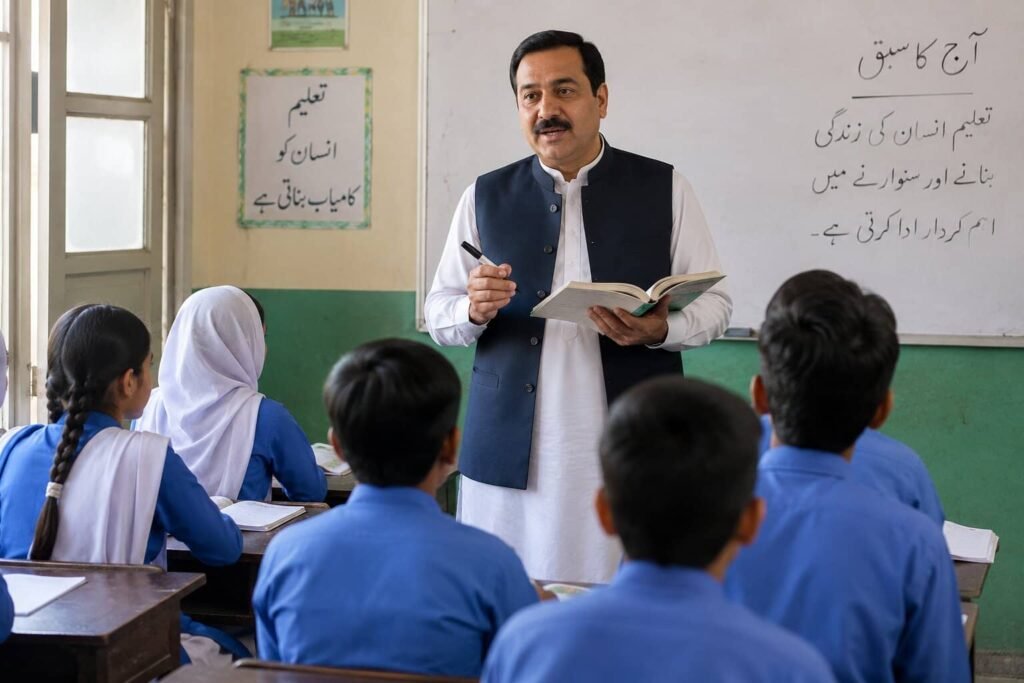
Punjab Chief Minister Maryam Nawaz Sharif has taken a hands-on approach to education reform by directing Provincial Education Minister Rana Sikandar Hayat to teach one class every week at a school.
The directive was issued during a high-level meeting focused on reviewing ongoing initiatives and improving the province's education sector.
The shift aims to provide policymakers frank classroom expertise, helping them follow ground realities.
Alongside this, the meeting covered the digital registration system for private schools and proposals to regulate tuition centers throughout Punjab.
For parents, teachers, and school administrators, this signals a push toward accountability and transparency.
The public sector is tightening oversight on confidential institutions while also involving experienced officials in active teaching.
Quick takeaways
- Punjab Education Minister Rana Sikandar Hayat must teach one class per week at a school as section of education reforms.
- The directive came from Chief Minister Maryam Nawaz Sharif during a special meeting on education sector improvements.
- The meeting reviewed the digital registration system for private schools to boost transparency.
- Proposals for registering and regulating tuition centers over Punjab were also discussed.
- This initiative aims to give policymakers straight insight into classroom challenges and student needs.
- The reforms abide by a current crackdown on personal schools after the death of 15 students in a tragic incident.
The directive for the education minister to instruct weekly is a useful step to close the gap between policy and classroom reality in Punjab.
What Is the New Teaching Directive for the Education Minister?
Punjab Chief Minister Maryam Nawaz Sharif has directed Education Minister Rana Sikandar Hayat to personally teach one class every week at a school in the province.
This isn’t a ceremonial role but an active teaching assignment meant to hold policymakers connected with students and teachers.
The directive was issued during a unique meeting on education reforms.
The minister is expected to choose a school and subject, though particular points on scheduling and duration are yet to be announced.
This approach is uncommon in Pakistan's education system.
It signals a shift toward experiential leadership, where officials comprehend challenges firsthand rather than relying solely on reports.
Why Did the Chief Minister Issue This Directive?
The main objective is to strengthen the education sector by ensuring that those making decisions grasp classroom realities.
Chief Minister Maryam Nawaz Sharif believes that direct teaching know-how will help the minister design more quick policies.
The meeting also addressed broader reform wants.
Punjab has faced criticism over the quality of education and safety standards in confidential schools, especially after a tragic incident where 15 students died.
By involving the minister in teaching, the state aims to build trust with parents and educators.
It also sets an case for other officials to engage with grassroots problems.
What Other Reforms Were Discussed in the Meeting?
The meeting covered several key initiatives to overhaul Punjab's education system.
Chief among them was the digital registration system for private schools, which aims to carry all institutions under a transparent regulatory structure.
The government also sought proposals for the registration of tuition centers throughout the province.
Many tuition centers operate informally, and the new rules would need them to register and meet minimum standards.
These measures track a crackdown on personal schools after the deaths of 15 students in a school-related incident.
The public sector is now pushing for stricter oversight to prevent such tragedies.
How Will the Digital Registration System for Private Schools Work?
The digital registration system is designed to produce a centralized database of all private schools in Punjab.
Each school must register online, providing details about facilities, team, fees, and safety measures.
This system will assist the state monitor compliance with regulations.
Schools that fail to register or gather standards could deal with penalties or closure.
For parents, the database will provide transparency.
they’ll be able to verify a school's registration status and create informed choices.
The system is expected to be fully operational in the present academic year.
What Are the Proposed Regulations for Tuition Centers?
Tuition centers in Punjab currently work with little oversight.
The public sector is now considering mandatory registration for all such centers.
Proposals involve setting minimum qualifications for tutors, safety standards for premises, and fee caps.
The registration procedure would probably be online, comparable to the confidential school system.
Centers that don’t register may be shut down.
This move aims to shield students from unqualified teachers and unsafe environments.
It also helps parents pinpoint legitimate tuition centers.
The closing regulations are expected after public consultation.
What Impact Will the Minister's Teaching Have on Education Policy?
Having the education minister train weekly could lead to more practical, student-centered policies.
Direct interaction with students will point out matters like outdated curricula, lack of references, and teacher shortages.
The minister can then advocate for changes based on genuine experiences.
For illustration, if he locates that students struggle with a particular subject, he may push for curriculum revisions or additional teacher training.
This initiative may also encourage other experienced officials to call on schools regularly, supporting a culture of accountability.
But, its accomplishment depends on consistent execution and follow-through.
How Does This Fit Into Broader Education Reforms in Punjab?
Punjab has been carrying out several education reforms, such as improving enrollment rates, upgrading school infrastructure, and digitizing records.
The teaching directive is a symbolic but hands-on addition.
The state is also focusing on teacher training and performance evaluation.
By involving the minister in teaching, it shows the importance of standard instruction.
These reforms come amid public demand for better education and safety.
The tragic death of 15 students in a personal school incident accelerated the crackdown on non-compliant institutions.
The new measures goal to restore confidence in the system.
What Should Parents and Schools Expect Next?
Parents can count on greater transparency as the digital registration system rolls out.
they’ll be able to inspect if a school or tuition center is registered and compliant with safety standards.
Schools must get ready for stricter inspections and online registration.
Non-compliance could lead to fines or closure.
The public sector may also introduce new fee regulations.
For tuition centers, registration will turn into mandatory.
Owners should start gathering documents like tutor qualifications, premises safety certificates, and fee structures.
The cutoff for registration is yet to be announced.
Key Education Reform Measures Announced by Punjab Government
| Reform Measure | Description | Expected Impact |
|---|---|---|
| Minister Teaching Weekly | Education Minister Rana Sikandar Hayat to teach one class per week in a school. | Direct policy insight, improved trust, and accountability. |
| Digital Registration for Private Schools | Online system for all private schools to register with details on facilities, staff, and safety. | Transparency, easier monitoring, and informed parent choices. |
| Regulation of Tuition Centers | Mandatory registration for tuition centers with standards for tutors, premises, and fees. | Protection for students, elimination of unqualified operators. |
| Crackdown on Non-Compliant Schools | Stricter enforcement after death of 15 students; penalties for violations. | Improved safety and compliance across private schools. |
Frequently Asked Questions
Will the education minister teach every week or just once?
The directive demands Education Minister Rana Sikandar Hayat to instruct one class every week.
This is a recurring commitment, not a one-time happening.
The precise school and subject are yet to be confirmed. The minister is expected to uphold this schedule as portion of ongoing education reforms.
Which schools will the education minister teach at?
The precise school hasn’t been announced.
it’s most likely that the minister will opt for a public school to follow the challenges faced by state institutions.
Though, the directive doesn’t specify whether it will be a single school or rotate among distinct schools.
How will the digital registration system for private schools affect existing schools?
Present confidential schools must register online through the new system, providing specifics about their facilities, workforce, fees, and safety measures.
Schools that fail to register or encounter standards may confront fines or closure.
The system aims to take along all schools under regulatory oversight.
What are the penalties for tuition centers that do not register?
Tuition centers that don’t register under the proposed regulations may be shut down.
The public sector is expected to impose fines and permitted action against non-compliant centers.
The spot-on penalties will be outlined in the last regulations after public consultation.
Why did the Punjab government crack down on private schools?
The crackdown followed a tragic incident where 15 students died in a personal school.
The state discovered safety violations and lack of oversight.
This prompted stricter enforcement of regulations, covering the digital registration system and inspections to prevent future incidents.
When will the new regulations for tuition centers take effect?
The public sector is currently seeking proposals and will finalize regulations after public consultation.
An authorized due date for registration hasn’t been announced yet.
Tuition center owners should arrange documents in advance to comply once the rules are published.
Final Thoughts
Punjab's education reforms, such as the minister's weekly teaching commitment, digital registration for confidential schools. Tuition center regulation, represent a full work to improve grade and safety.
These measures target to close the gap between policymakers and classrooms whereas securing accountability.
If you’re a parent, verify that your child's school is registered under the new system.
School and tuition center owners should get ready for registration and compliance.
Remain updated through formal Punjab education department announcements to gather deadlines and prevent penalties.